How does ICL implantation compare to the use of traditional contact lenses and glasses?
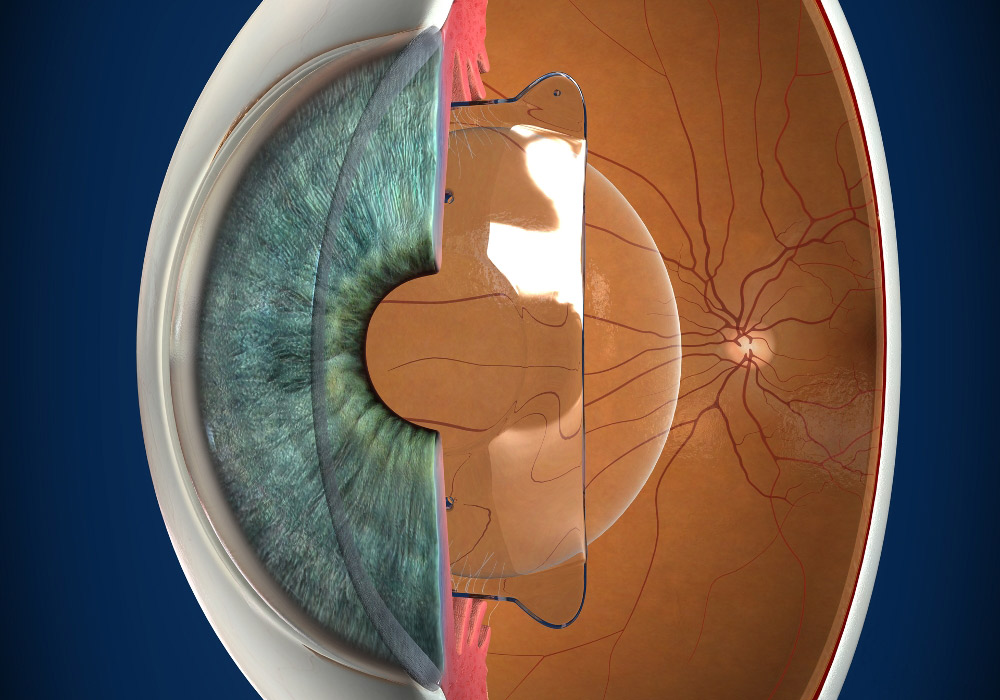
Implantable Collamer Lenses (ICLs) correct refractive errors such as myopia (nearsightedness), hyperopia (farsightedness), and astigmatism. Surgeons implant them in the eye’s posterior chamber, behind the iris and in front of the natural lens. Unlike traditional contact lenses, ICLs remain inside the eye. As a result, they provide a more permanent solution.
Is the ICL procedure reversible or adjustable?
Yes—one of the advantages of implantable collamer lenses is their reversibility. If your prescription changes, or if you and your ophthalmologist determine that an adjustment is needed, the ICL can be removed or replaced. This flexibility distinguishes ICLs from some other vision correction options, offering an added layer of reassurance if your vision needs evolve over time.
What Is the EVO ICL™ and How Does It Work?
The EVO Implantable Collamer Lens (ICL™) is an FDA-approved solution for individuals with nearsightedness, with or without astigmatism. Much like a permanent contact lens, this soft, flexible lens is carefully implanted behind the iris (the colored part of the eye) and in front of your natural lens.
Here’s how it works:
- Personalized Vision Correction: The EVO ICL™ is tailored to each eye, working with your eye’s natural structure to correct refractive errors.
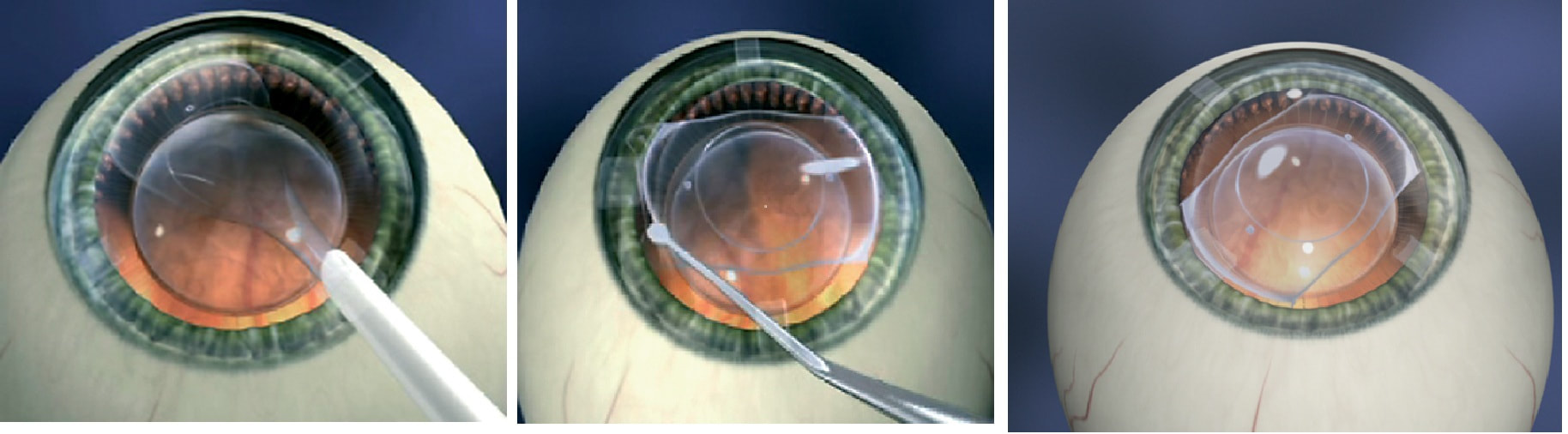
- Minimally Invasive Procedure: During a quick surgical procedure, your ophthalmologist creates a small opening in the cornea. Through this tiny entry point, the lens is gently placed and positioned, where it remains out of sight and sensation.
- Distinct from Traditional Lenses: Unlike standard contact lenses that need to be inserted and removed daily, the EVO ICL™ stays in place, delivering ongoing visual improvement without the daily maintenance.
The innovative Collamer material used in the EVO ICL™ is highly biocompatible, designed to work harmoniously with your eye’s own tissues. This approach provides a seamless way to enjoy clearer vision—often free from glasses or conventional contacts.
For which age group and vision conditions is EVO ICL™ most appropriate?
Who Is a Good Candidate for EVO ICL™?
The EVO ICL™ is an excellent option for adults between ages 21 and 45 who are looking to correct nearsightedness, with or without astigmatism. It’s especially suitable for individuals whose vision prescription has stayed stable for at least a year. This makes it an appealing choice for those who may not qualify for LASIK or PRK but still want long-lasting vision correction.
What are the advantages of ICLs compared to LASIK?
Many patients choose ICLs as an alternative to laser refractive surgery. This option is particularly beneficial for those who cannot undergo corneal refractive procedures like LASIK or PRK. Moreover, ICLs are made from a biocompatible material called collamer, which mimics the natural lens of the eye. Surgeons also customize each lens to fit an individual’s unique eye shape and size.
Key Advantages of ICLs
- Improved visual acuity and contrast sensitivity.
- No risk of dislodging or falling out of the eye.
- No daily cleaning or maintenance required.
- Long-lasting and potentially permanent vision correction.
- Suitable for a wide range of prescriptions, including severe myopia and hyperopia.
- An excellent option for patients with thin corneas who may not qualify for LASIK.
- Ideal for those with chronic dry eye syndrome, since ICLs do not worsen dryness.
- The procedure is reversible—ICLs can be removed or replaced if needed.
- Many patients notice immediate improvement in vision after the procedure.
These advantages make ICLs a compelling choice for individuals seeking a flexible, lasting solution to their vision needs—all without the daily hassle of traditional contact lenses.
The ICL Surgical Procedure
Surgeons typically perform ICL surgery on an outpatient basis. First, they make a small incision in the cornea to insert the lens. Although the procedure is generally safe, complications can still occur. These complications may include infection, inflammation, and vision loss. Therefore, it is crucial to discuss the potential risks with your doctor beforehand.
What is the recovery time and how quickly can patients expect results after ICL implantation?
Recovery and Visual Results After ICL Surgery
Most patients notice a significant improvement in their vision almost immediately following ICL implantation. In fact, it is common to experience clearer sight within a day of surgery, though some mild blurriness or light sensitivity may persist for a short period.
The overall recovery time is typically quick, with most individuals returning to their normal routines within a few days. However, your ophthalmologist will provide specific post-operative instructions to ensure optimal healing and visual outcomes. Follow-up visits are essential during the first weeks after surgery to monitor your progress and address any concerns.
Is ICL Surgery Right for You?
If you are considering ICL surgery, consult your ophthalmologist or eye surgeon. They can evaluate your specific needs and determine whether the procedure is suitable for you.