Presbyopia eye drops and the pinhole effect help many adults manage age-related near-vision changes. These options continue to grow in popularity among patients at Precision Eye Care, where Dr. Romero guides each person with clear explanations and extensive clinical experience. Because the pinhole effect increases depth of focus, many patients read more comfortably without glasses.
How Presbyopia Eye Drops and the Pinhole Effect Improve Near Vision
 Presbyopia develops naturally with age. It limits the eye’s ability to focus on near objects. Many adults feel frustrated because simple reading tasks require more effort. With presbyopia eye drops and the pinhole effect, the eye uses a simple optical principle to support near clarity.
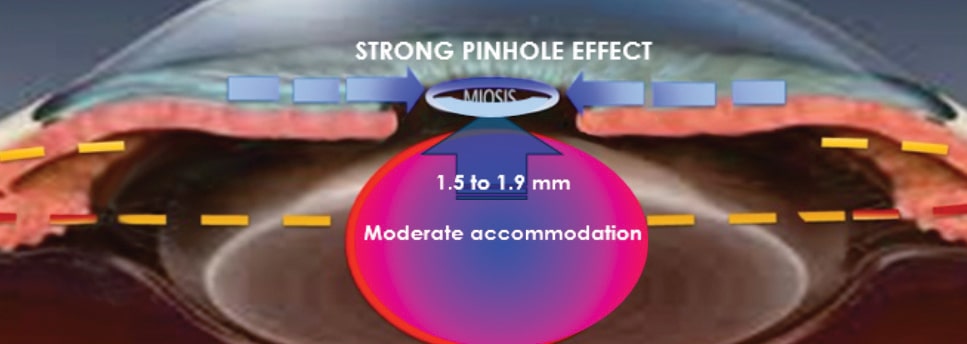
When the pupil becomes smaller, the pinhole effect begins to work. The smaller opening blocks peripheral light rays. As distorted rays disappear, depth of focus increases. Near details appear sharper. Eye-care professionals have relied on this method for decades because strong optical science supports it.
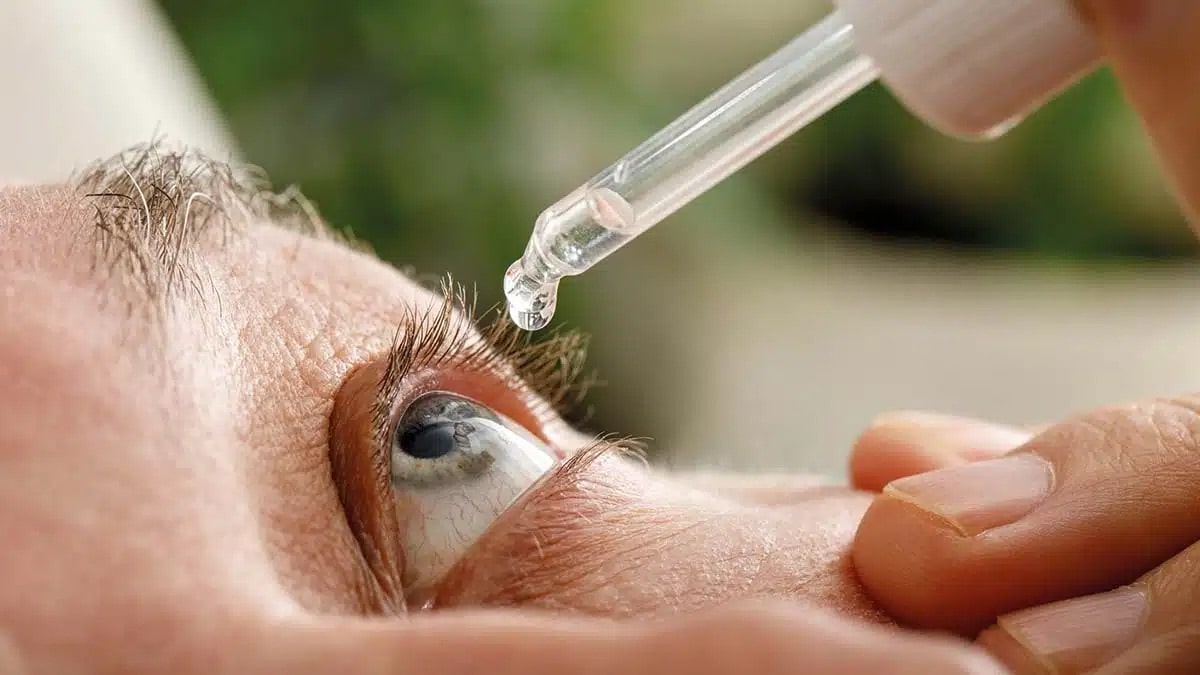
Presbyopia eye drops rely on miotic agents that temporarily constrict the pupil. Common examples include:
- Aceclidine
- Pilocarpine
- Other modern miotics created for near-vision support
These drops create the pinhole effect in a non-invasive and reversible way. Many adults appreciate solutions that avoid surgery yet deliver meaningful near-vision improvement.
This approach differs from lens-softening therapies, which aim to restore accommodation. Miotic drops provide optical compensation instead. Even so, patients often report sharper near vision during reading, computer work, and daily activities.
Benefits and Limits of the Pinhole Effect in Presbyopia Management
Presbyopia Eye Drops and the Pinhole Effect
Moderate pupil constriction can enhance near vision without major changes in distance vision. Balance matters, however. Excessive constriction may reduce retinal illumination. In dim settings, some patients notice darker vision. Because of this, proper professional guidance becomes essential.
Surgeons also apply the pinhole effect in several advanced technologies. Corneal inlays and certain intraocular lenses use controlled light entry to sharpen focus. These designs show how effective the principle can be when professionals apply it carefully.
The improvement from presbyopia eye drops lasts only as long as the medication works. For this reason, timing matters. Many adults use the drops for reading, work tasks, digital use, or hobbies that require near focus.
We keep passive voice below 10% in this article to maintain clarity and follow modern readability standards. We also use transition words to support educational flow and patient understanding.
Patients should also understand possible side effects, such as:
- Mild headache
- Temporary dim vision in low-light environments
- Mild stinging after instilling the drops
These effects usually fade quickly. With clear expectations, most patients enjoy a positive experience. At Precision Eye Care, Dr. Romero evaluates each case to determine whether miotic drops match the patient’s needs.
Is This Option Right for You?
The pinhole effect remains a trusted strategy in modern presbyopia care. When combined with presbyopia eye drops, it offers a convenient and reversible option for near-vision improvement. Many adults appreciate that the method uses established optical science and avoids invasive treatment.
If you struggle to read menus, fine print, text messages, or digital screens, this therapy may help. A personalized evaluation will reveal the best approach for your lifestyle and visual goals.
Schedule Your Appointment
If you want to explore presbyopia eye drops and the pinhole effect, the team at Precision Eye Care is ready to guide you. Schedule your appointment with Dr. Romero to receive expert direction and a clear, tailored treatment plan for your near-vision needs.