


Glaucoma Is More Than Eye Pressure: The Personal and Economic Value of Early Treatment
Glaucoma is one of the leading causes of irreversible vision loss. Yet, it often develops without noticeable symptoms. According to the American Academy of Ophthalmology’s 2026 Primary Open-Angle Glaucoma Preferred Practice Pattern®, the AAO estimated that more than 76 million adults between ages 40 and 80 worldwide had glaucoma in 2020. Researchers project that this number will exceed 111 million by 2040.
These figures highlight an important message: glaucoma is not simply an elevated eye-pressure reading. Instead, it is a chronic disease that can affect independence, safety, quality of life, and long-term healthcare costs. Fortunately, early detection and consistent treatment can substantially reduce the risk of preventable vision loss.
For patients in Baltimore, Towson, Lutherville-Timonium, Pikesville, Roland Park, and Guildford, regular comprehensive eye examinations can play an important role in identifying glaucoma before significant vision loss occurs.
How Glaucoma Can Affect Everyday Life
 Glaucoma gradually damages the optic nerve, which carries visual information from the eye to the brain. Because glaucoma usually affects peripheral vision first, many patients do not recognize the change until the disease has caused significant damage.
As glaucoma progresses, patients may experience difficulty with:
- Reading and locating words on a page
- Walking safely, particularly on stairs or uneven surfaces
- Adjusting between bright and dim environments
- Recognizing objects in their peripheral vision
- Driving, especially at night
- Maintaining balance and avoiding obstacles
Studies reviewed by the American Academy of Ophthalmology show that people with glaucoma are more likely to experience falls and motor vehicle collisions than people without the disease. These risks become greater when glaucoma is advanced or affects both eyes.
Importantly, glaucoma can affect quality of life even during its early stages. The diagnosis itself, the need for lifelong monitoring, medication side effects, treatment expenses, and concerns about future vision can all create additional stress.
For this reason, understanding the signs, risk factors, and treatment options for glaucoma can help patients make informed decisions about their eye health.
The Cost of Glaucoma Increases as the Disease Progresses
Glaucoma creates several different kinds of expenses.
Direct medical costs include:
- Eye examinations
- Optic nerve imaging
- Visual-field testing
- Prescription eye drops
- Laser treatment
- Glaucoma surgery
- Postoperative care
There may also be direct nonmedical expenses, such as transportation to appointments or assistance with activities at home. In advanced disease, indirect costs—including lost work, caregiver time, rehabilitation, and reduced independence—can become even more significant.
Research cited in the 2026 AAO guidelines consistently demonstrates that the cost of glaucoma care rises as the disease becomes more severe. In early glaucoma, medications often represent the largest portion of the expense. However, in advanced glaucoma, home assistance, rehabilitation, transportation, and loss of productivity may become the dominant costs.
Therefore, early diagnosis is important for more than clinical reasons. Preserving vision may also help patients remain independent and avoid the much greater personal and financial consequences of advanced disease.
The Most Effective Treatment Must Also Be Realistic
Glaucoma treatment is not identical for every patient. Instead, the best approach depends on factors such as:
- Current eye pressure
- Extent of optic-nerve damage
- Visual-field findings
- Corneal thickness
- Age and life expectancy
- Family history
- Rate of disease progression
- Other eye conditions
- Ability to use medication consistently
- Financial and insurance considerations
Prescription eye drops, particularly generic prostaglandin analogues, can be a cost-effective initial treatment. However, their success depends on using them correctly and consistently.
In real life, medication adherence can be difficult. Patients may forget doses, struggle to administer the drops, experience irritation, or face ongoing prescription costs. When treatment is prescribed but cannot be followed reliably, eye pressure may remain inadequately controlled even though the medication is effective in theory.
For that reason, an honest discussion about missed doses, side effects, and affordability should be encouraged. It helps the ophthalmologist select a treatment plan that is more likely to succeed.
Is SLT Laser a Cost-Effective Glaucoma Treatment?
Selective laser trabeculoplasty, commonly called SLT, is an office-based laser procedure that helps the eye’s natural drainage system lower intraocular pressure. It does not require an incision and may reduce or delay the need for daily glaucoma drops.
You can learn more about SLT laser treatment for glaucoma and how it compares with medications.
Both generic glaucoma medication and SLT can be cost-effective treatments for early open-angle glaucoma. If a patient can use medication perfectly every day, generic eye drops may initially cost less. However, when real-world medication adherence is considered, SLT may offer greater long-term value for appropriate patients.
The LiGHT Study, referenced in the AAO guidelines, supports the use of SLT as a safe and effective first-line option for many patients with open-angle glaucoma or ocular hypertension. Furthermore, research has shown that SLT can reduce dependence on daily medications in appropriately selected patients.
SLT is not necessarily permanent, and some patients will still require medication or additional treatment. Nevertheless, it can be particularly valuable for patients who have difficulty administering drops, experience medication side effects, or prefer to reduce their dependence on daily treatment.
When Is Glaucoma Surgery Considered?
Some patients require surgery because their glaucoma is advanced, progressing, or not adequately controlled with medication and laser treatment.
Traditional glaucoma procedures, such as trabeculectomy and tube-shunt surgery, can achieve substantial eye-pressure reduction and may be cost-effective for appropriately selected patients with more severe disease. However, these operations carry greater risks and require careful postoperative management.
What Is MIGS?
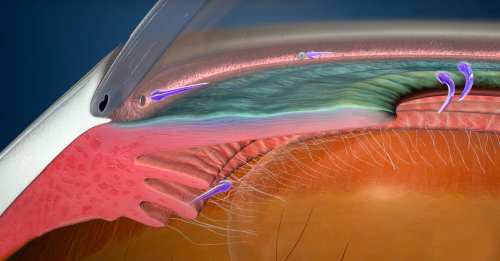 Minimally invasive glaucoma surgery, or MIGS, generally has a favorable safety profile and is frequently considered for patients with mild to moderate glaucoma. In particular, MIGS may be considered when cataract surgery is already planned.
Learn more about MIGS for glaucoma, including how minimally invasive procedures may be combined with cataract surgery.
For selected patients, combining cataract surgery with a trabecular bypass device or another MIGS procedure may:
- Improve eye-pressure control
- Reduce dependence on glaucoma medications
- Address cataract and glaucoma during the same operation
- Avoid or delay more invasive glaucoma surgery
Not every MIGS procedure provides the same degree of pressure reduction. Moreover, the economic evidence continues to evolve. Some studies suggest that combining cataract surgery with devices such as the iStent inject or Hydrus Microstent can be cost-effective within several years.
However, treatment should always be selected according to the patient’s disease—not simply because a procedure is available.
Glaucoma and Cataracts: Why Treatment Planning Matters
Glaucoma and cataracts frequently occur in the same aging population. Therefore, treatment planning becomes particularly important when both conditions are present.
Cataract surgery can restore vision affected by the cloudy natural lens. At the same time, selected patients may benefit from combining cataract surgery with MIGS to help manage glaucoma.
Lens selection also requires careful consideration. Patients with glaucoma may not be appropriate candidates for every type of presbyopia-correcting lens. Factors such as optic-nerve damage, visual-field loss, disease stability, and contrast sensitivity should be evaluated before a lens is selected.
For patients considering premium IOLs and advanced lens options, an individualized evaluation is essential.
Glaucoma Does Not Affect Every Community Equally
The burden of glaucoma is greater in communities facing barriers to healthcare, transportation, medication access, and regular follow-up. Certain racial and ethnic populations also have a higher risk of developing glaucoma or experiencing more severe disease.
Health equity therefore plays an important role in glaucoma care. Improving access to comprehensive eye examinations, diagnostic testing, affordable treatment, patient education, and reliable follow-up may help reduce preventable blindness.
For patients living in Baltimore and surrounding communities such as Towson, Lutherville-Timonium, Pikesville, Roland Park, and Guildford, convenient access to ongoing ophthalmic care can make consistent monitoring easier.
Early Detection Protects More Than Vision
Glaucoma can cause permanent vision loss, and current treatments cannot restore vision that the disease has already damaged. Instead, treatment aims to preserve the vision that remains. Therefore, the earlier doctors identify glaucoma, the more vision they can help protect.
A comprehensive glaucoma evaluation may include:
- Measuring intraocular pressure
- Examining the optic nerve
- Performing optical coherence tomography imaging
- Conducting visual-field testing
- Measuring corneal thickness
- Performing gonioscopy to evaluate the eye’s drainage angle
- Reviewing family history and other risk factors
A single normal eye-pressure measurement does not completely rule out glaucoma. Some patients develop optic-nerve damage even when their eye pressure falls within the statistically normal range. In contrast, other patients have elevated eye pressure without detectable optic-nerve damage.
Therefore, ophthalmologists need to evaluate each patient individually and monitor the eyes regularly over time. This approach helps doctors detect changes early and adjust treatment when necessary.
Schedule a Glaucoma Evaluation in Baltimore
At Precision Eye Care, we provide comprehensive glaucoma evaluations and personalized treatment. Our services include medical management, SLT laser treatment, cataract surgery combined with selected MIGS procedures, and ongoing monitoring of optic-nerve and visual-field changes.
Our goal is to identify glaucoma early, establish an appropriate target eye pressure, and create a treatment plan that fits each patient’s medical needs and lifestyle.
If you are over age 40, have a family history of glaucoma, have elevated eye pressure, or have not had a recent comprehensive eye examination, we encourage you to schedule an appointment with Precision Eye Care.
Early evaluation may help protect your vision, safety, independence, and quality of life for years to come.
This article provides general educational information and does not replace an individualized eye examination or medical advice from an ophthalmologist.
Frequently Asked Questions About Glaucoma Treatment
SectionCan glaucoma be treated without eye drops?
Yes. Depending on the type and stage of glaucoma, some patients can use selective laser trabeculoplasty (SLT) instead of, or in addition to, prescription eye drops. SLT can lower intraocular pressure and may reduce the need for daily glaucoma medication. However, not every patient qualifies for SLT. An ophthalmologist should consider your eye pressure, optic-nerve health, drainage angle, and rate of disease progression when choosing treatment.
Is SLT better than glaucoma eye drops?
SLT does not work better than glaucoma eye drops for every patient. Both treatments can effectively lower intraocular pressure. However, SLT may provide important benefits for patients who have difficulty using eye drops consistently, experience medication side effects, or want to reduce their dependence on daily medication. The LiGHT trial supports SLT as a first-line treatment option for selected patients with open-angle glaucoma or ocular hypertension.
Can cataract surgery and glaucoma surgery be done at the same time?
Yes. In appropriately selected patients, an ophthalmologist can combine cataract surgery with minimally invasive glaucoma surgery (MIGS). This approach can improve vision affected by a cataract while also helping lower eye pressure and reduce dependence on glaucoma medications. Doctors generally consider MIGS for patients with mild to moderate glaucoma. Patients with more advanced glaucoma may need a different surgical approach.
What is MIGS for glaucoma, and who is a candidate?
MIGS stands for minimally invasive glaucoma surgery. These procedures use small incisions to help lower intraocular pressure. Surgeons can often perform MIGS during cataract surgery. Doctors may consider MIGS for patients with mild to moderate glaucoma, particularly when medications do not adequately control eye pressure or when patients have difficulty tolerating or consistently using glaucoma drops.
What happens if glaucoma is left untreated?
Untreated glaucoma can progressively damage the optic nerve and cause permanent vision loss. Because early glaucoma often causes few or no noticeable symptoms, patients may not realize that damage is occurring. As glaucoma advances, patients can lose peripheral vision and may have greater difficulty driving, walking safely, or recognizing objects. Early diagnosis and ongoing treatment can therefore help protect the vision that remains.

